Concrete Repair vs Replacement: Which Is the Better Option?
Choosing between concrete repair and replacement helps restore safety and durability, and local contractors can assess your needs to recommend the best solution.
Deciding between concrete repair and replacement is a common concern for property owners looking to maintain or improve the durability and appearance of their surfaces. Whether dealing with cracks, uneven slabs, or other signs of wear, understanding which option makes the most sense can save time and money in the long run. Property owners in the area often explore this topic to determine the most practical approach for restoring their concrete surfaces, especially when considering the impact on their property’s safety and functionality. Local contractors specializing in concrete services can assess the specific condition of existing surfaces and recommend solutions that align with both budget and long-term goals.
As you read further, you'll discover key factors that influence whether repair or replacement is the better choice for your situation. Practical considerations such as the extent of damage, age of the concrete, and future use are essential to making an informed decision. Local service providers are equipped to help evaluate these factors and provide guidance tailored to your property’s needs. Exploring these options can help ensure that the decision you make enhances the value and safety of your property while fitting within your overall maintenance plan.
- Concrete repair services are suitable when cracks, surface damage, or minor deterioration are present, and local contractors can often restore the existing concrete efficiently.
- Concrete replacement is considered when the damage is extensive, such as severe cracking or structural issues, requiring a full removal and new installation by experienced service providers.
- For uneven or sinking concrete, local pros may recommend either repair or replacement based on the underlying cause and the extent of the damage.
- Deciding between repair vs replacement depends on factors like the age of the concrete, the severity of damage, and long-term durability goals, with local contractors assessing each situation carefully.
- When evaluating options, local service providers can help determine whether a repair will suffice or if a full replacement is necessary for safety and longevity.
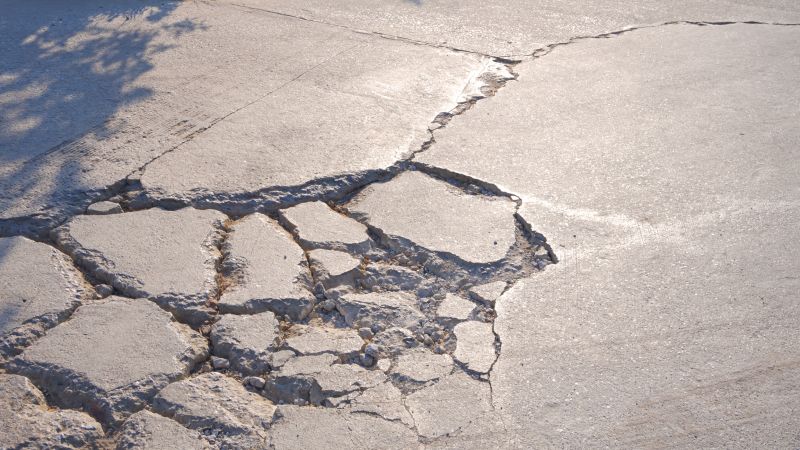
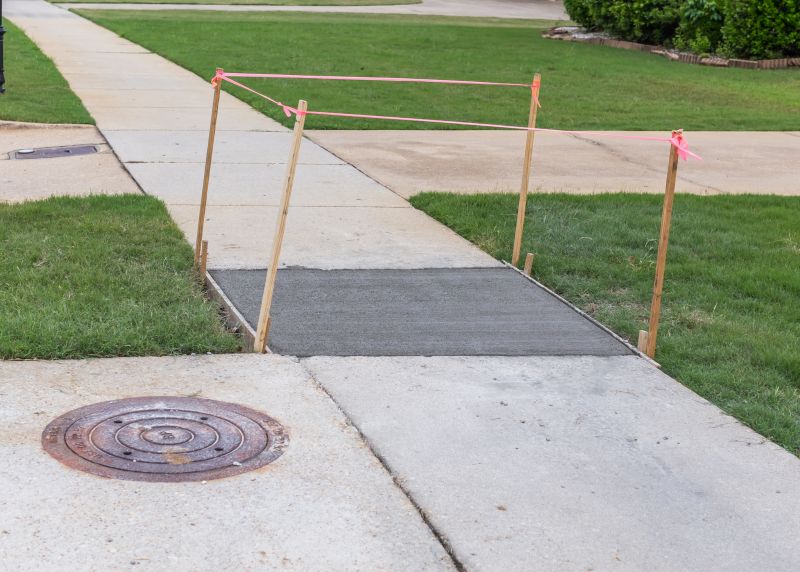
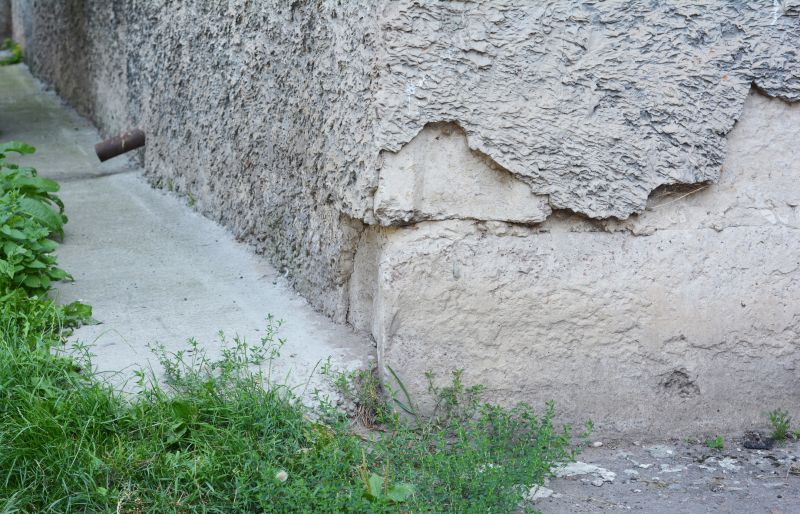
When searching for information on concrete repair vs replacement: which is the better option?, homeowners are often trying to determine the most practical solution for fixing damaged or aging concrete surfaces. This topic typically arises when concrete slabs-such as driveways, patios, sidewalks, or garage floors-show signs of deterioration. People want to understand whether small cracks, surface spalling, or unevenness can be addressed through repair methods, or if the damage is severe enough to require complete removal and replacement. The goal is to find a durable, cost-effective solution that restores the functionality and appearance of the concrete, while avoiding unnecessary work or expenses.
The decision between repairing or replacing concrete usually relates to specific problems or plans for the property. For instance, minor cracks or surface imperfections might be suitable for patching or sealing, which can extend the life of the existing slab. Conversely, extensive cracking, large areas of deterioration, or structural concerns often lead property owners to consider replacement. This choice can also be influenced by future plans for the space-such as renovations or upgrades-that might require a fresh, level surface. Local contractors who specialize in concrete repair and replacement can assess the condition of the existing concrete and recommend the most appropriate approach based on the extent of damage and the desired outcome.
Properties that typically come up in these discussions include residential homes with driveways, walkways, or patios, as well as commercial properties with loading docks, parking lots, or public walkways. These surfaces are subject to regular wear and tear from foot traffic, vehicle loads, weather exposure, and ground movement. When damage becomes noticeable-like cracks, chipping, or uneven surfaces-it can affect safety, aesthetics, and property value. Local service providers who focus on concrete repair and replacement are experienced with these types of properties, understanding how to address damage efficiently and effectively to meet the specific needs of each project.
Ultimately, choosing between concrete repair and replacement depends on the severity of the damage, the longevity of the existing concrete, and the goals for the property. Repair options can often be a quick and economical way to fix localized issues, while replacement might be necessary for widespread deterioration or when a fresh start is desired. Homeowners should consider consulting with local contractors who can evaluate their concrete surfaces and recommend the best course of action. These professionals can help ensure that repairs or replacements are performed properly, providing a durable solution that supports the property's safety and appearance over time.
Pavement Restoration Projects - local contractors skilled in surface preparation, crack filling, and sealing techniques used in concrete repair and replacement tasks.
Foundation Stabilization Services - professionals experienced in underpinning, piering, and soil stabilization that are essential for addressing structural issues in concrete work.
Industrial Flooring Installations - specialists who handle heavy-duty concrete surface preparation and repair, ensuring durability and longevity of commercial floors.
Driveway and Sidewalk Resurfacing - service providers adept at resurfacing and leveling existing concrete surfaces, helping homeowners decide between repair and replacement.
Concrete Demolition and Site Prep - experts equipped to safely remove old or damaged concrete, preparing sites for new installations or repairs.
Parking Lot Repair Services - local contractors skilled in patching, crack sealing, and overlay work that relate closely to concrete repair and replacement decisions.
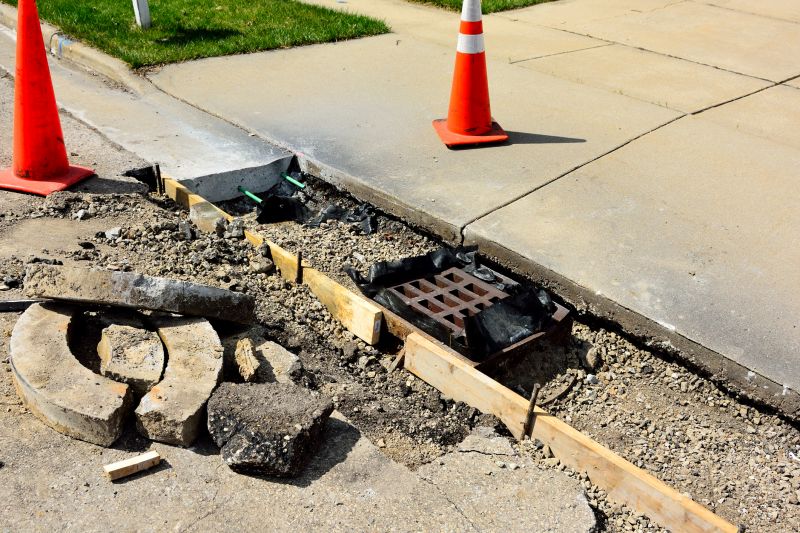
When evaluating whether to pursue concrete repair or replacement, it is important to consider the experience of local contractors with similar projects. Homeowners should seek service providers who have a proven track record in handling concrete issues comparable to their own, such as cracks, uneven surfaces, or structural concerns. A contractor’s familiarity with the specific type of repair needed can influence both the quality of the work and the long-term durability of the solution. Requesting references or examples of past projects can help gauge their expertise and confidence in managing repairs or replacements similar to the homeowner’s situation.
Clear, written expectations are essential when comparing local pros for concrete work. Homeowners should look for service providers who can provide detailed descriptions of the scope of work, materials to be used, and the process involved in either repair or replacement. This clarity helps prevent misunderstandings and ensures that all parties are aligned on the project’s goals. When reviewing contractor proposals, it’s beneficial to ask for a step-by-step outline of what the work entails, including any preparatory or finishing steps, so that expectations are transparent from the outset.
Reputable references and effective communication are key factors in selecting the right service provider for concrete projects. Homeowners should seek out local contractors who are transparent about their work history and willing to share references from previous clients. Good communication throughout the process - from initial consultation to project completion - can make a significant difference in addressing questions, clarifying options, and adapting to any unforeseen issues. Choosing a contractor who maintains open, responsive dialogue helps ensure that the decision between concrete repair and replacement is well-informed and aligned with the homeowner’s needs.
Property owners often search for concrete repair vs replacement: which is the better option? when they are planning practical projects around their homes and businesses. Local pros provide Concrete Repair or Replacement services for everyday jobs and straightforward project options.
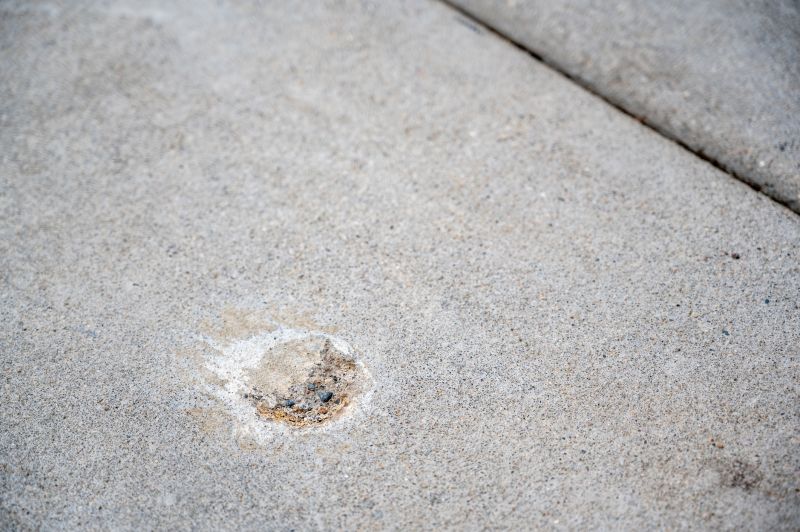
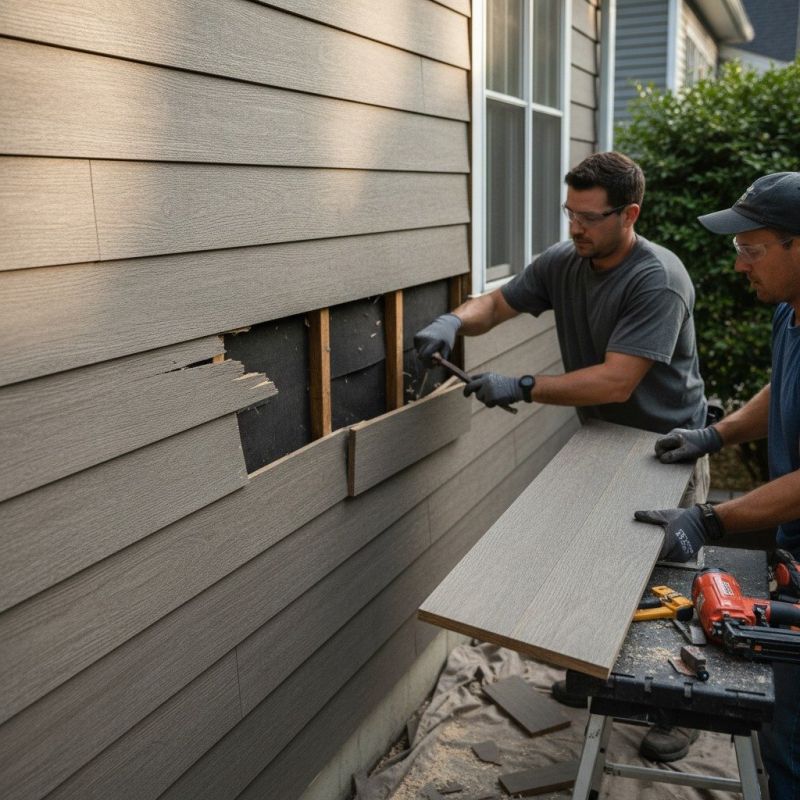
When property owners notice cracks, uneven surfaces, or other signs of damage in their concrete, they often wonder whether repair or replacement is the best course of action. For many, simple cracks or minor deterioration can be addressed with concrete repair services, which typically involve filling in cracks or resurfacing to restore the surface’s appearance and functionality. These solutions are generally more affordable and less disruptive, making them an attractive option for everyday projects like driveways, patios, or walkways that still have a solid foundation.
However, in cases where concrete has extensive damage, deep structural issues, or has reached the end of its lifespan, replacement might be the more effective choice. Local contractors can evaluate the condition of the existing concrete and help determine if repair will hold or if a full replacement is necessary for long-term durability. Both options are available through service providers experienced in handling various project needs, ensuring property owners can make informed decisions based on the specific condition of their concrete surfaces.
When should concrete repair be considered instead of replacement? Concrete repair is typically suitable for minor damages like cracks or surface deterioration, especially when the overall structural integrity remains sound. Local contractors can assess the extent of damage to determine if repair will restore the concrete effectively.
Is replacing concrete always necessary for major damage? Not necessarily; some extensive issues can be addressed through repair methods, but severe structural problems or widespread deterioration often require full replacement. Local service providers can evaluate the condition to recommend the best option.
What are the benefits of choosing concrete repair over replacement? Repairing concrete can be more cost-effective, less disruptive, and quicker than replacement, especially for localized damage. Skilled contractors can perform repairs that extend the lifespan of existing concrete.
Can repair methods match the appearance of existing concrete? Many repair techniques can blend seamlessly with existing surfaces, but in some cases, replacement might be needed for uniform appearance. Local pros can advise on the best approach to match aesthetics.
How do local contractors decide between repair and replacement? They evaluate factors such as the extent of damage, age of the concrete, and structural needs to recommend the most effective and durable solution for each situation.
Assessing damage for repair or replacement - Property owners can evaluate whether cracks, spalling, or uneven surfaces indicate that concrete repair services are sufficient or if replacement is necessary for long-term stability.
Choosing the right solution for high-traffic areas - For driveways or walkways with significant wear, local contractors can advise on whether repairs will hold or if full replacement provides better durability.
Considering project scope and budget constraints - Homeowners can work with local service providers to determine if patching and sealing are viable options or if a complete replacement aligns better with project goals.
Evaluating the age and condition of existing concrete - Property owners can consult with local pros to decide if aging concrete should be repaired to extend its lifespan or replaced to prevent ongoing issues.
If you are thinking about concrete repair vs replacement: which is the better option? for a property, this guide is meant to help you understand this topic, the typical project types, and how different options might fit your plans.
When you are ready, you can use the quote form on this page to share a few details about your project. From there, local pros can review the basics and follow up with options that match what you have in mind.