Optimal Timing for Concrete Repairs
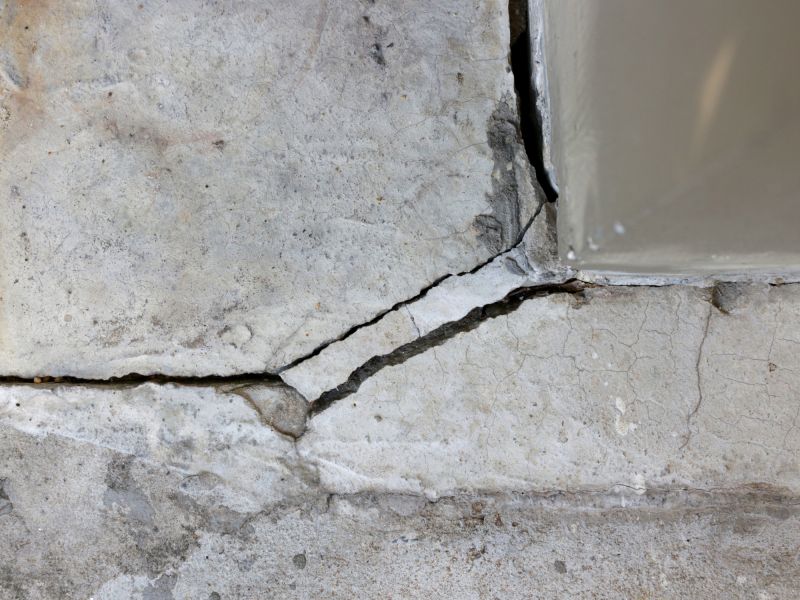
Spring offers moderate temperatures ideal for concrete repair projects, reducing the risk of cracking caused by extreme weather.
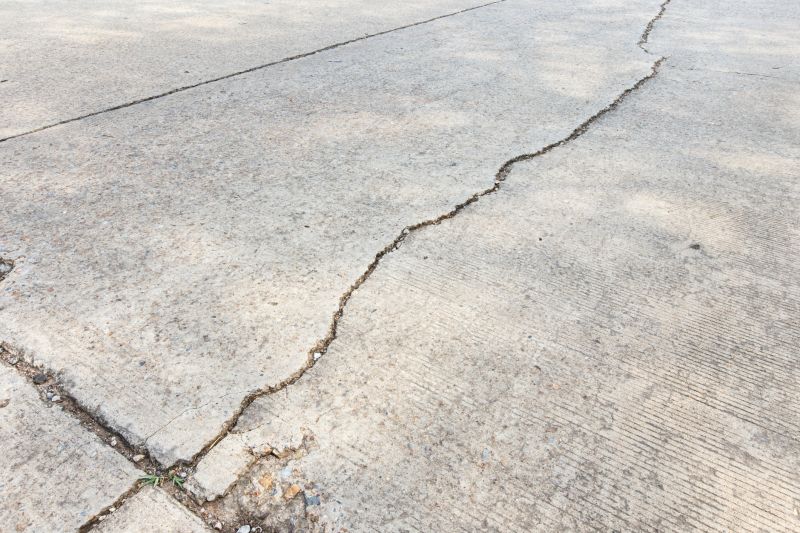
Summer's warmth can accelerate curing times, but excessive heat may lead to surface cracks if not properly managed.
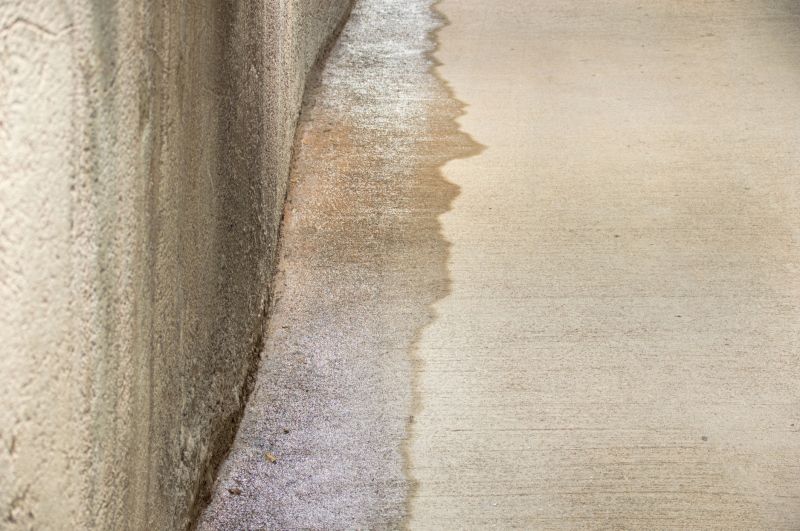
Fall provides cooler temperatures and lower humidity, creating favorable conditions for concrete repairs before winter.
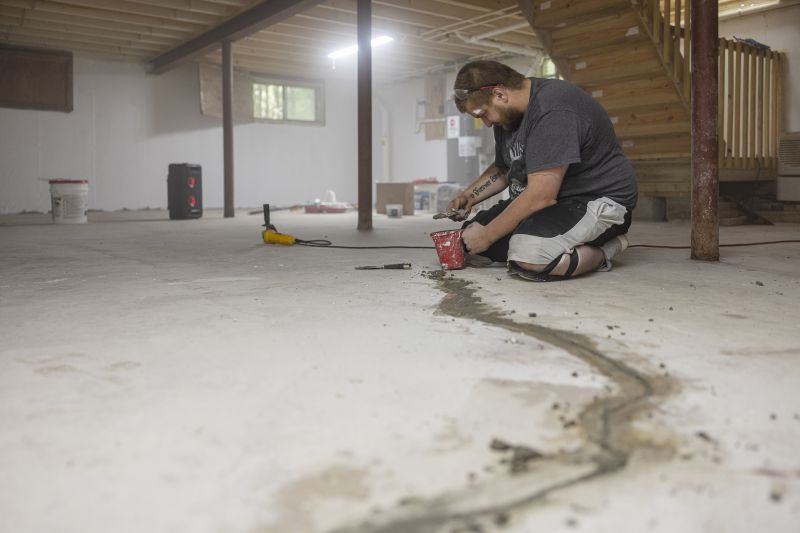
Ways to make Concrete Repairs work in tight or awkward layouts.
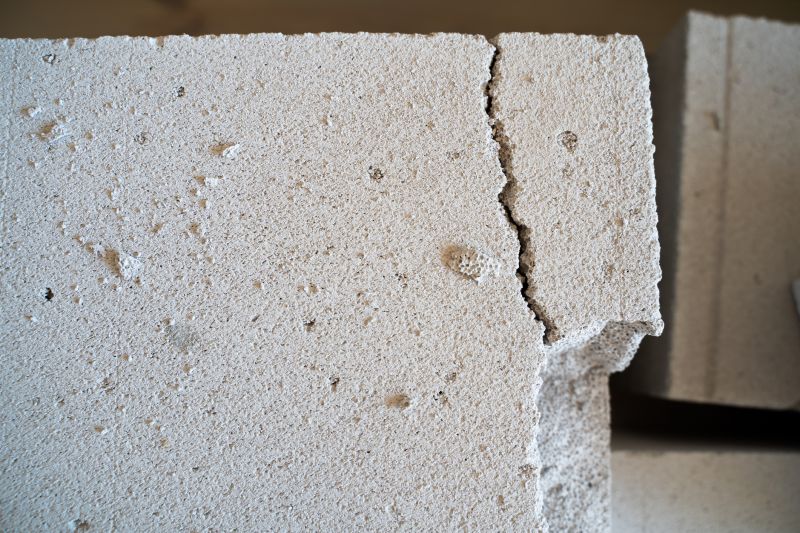
Popular materials for Concrete Repairs and why they hold up over time.
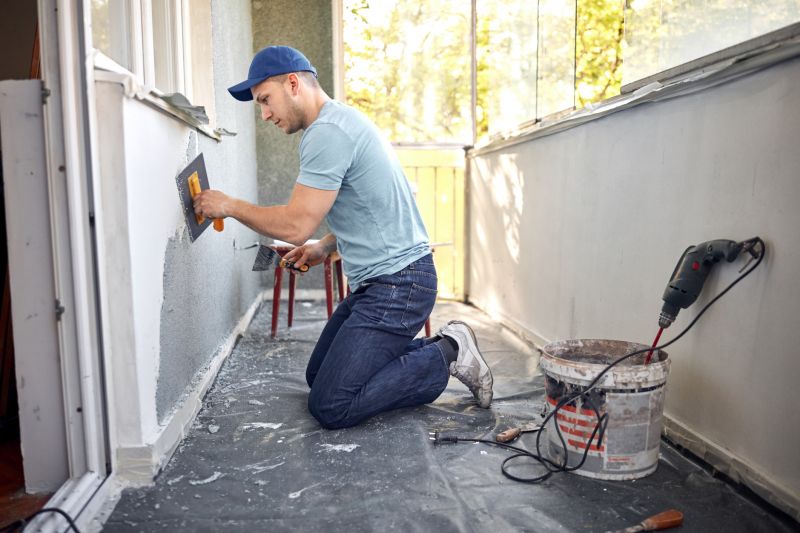
Simple add-ons that improve Concrete Repairs without blowing the budget.
Concrete repairs are essential for maintaining the structural integrity and appearance of surfaces such as driveways, sidewalks, and foundations. Timely repairs prevent minor damages from escalating into major issues, which can be costly and disruptive. The optimal timing for these repairs depends on weather conditions, temperature, and humidity levels. Proper planning ensures concrete cures correctly, minimizing the risk of cracks and other defects.
Statistics indicate that concrete deterioration accelerates in extreme weather conditions, with freeze-thaw cycles causing significant damage over time. Repairing concrete during periods of mild weather enhances adhesion and curing, leading to longer-lasting results. Seasonal considerations are crucial; for instance, cold temperatures hinder proper curing, while excessive heat can cause rapid drying and cracking.
Optimal concrete repairs occur when temperatures are between 50 and 85 degrees Fahrenheit.
Low humidity levels help prevent surface cracking and ensure proper curing.
Monitoring weather forecasts is essential to choose the best window for repairs.
Proper surface preparation is vital for successful repairs, especially in fluctuating weather conditions.
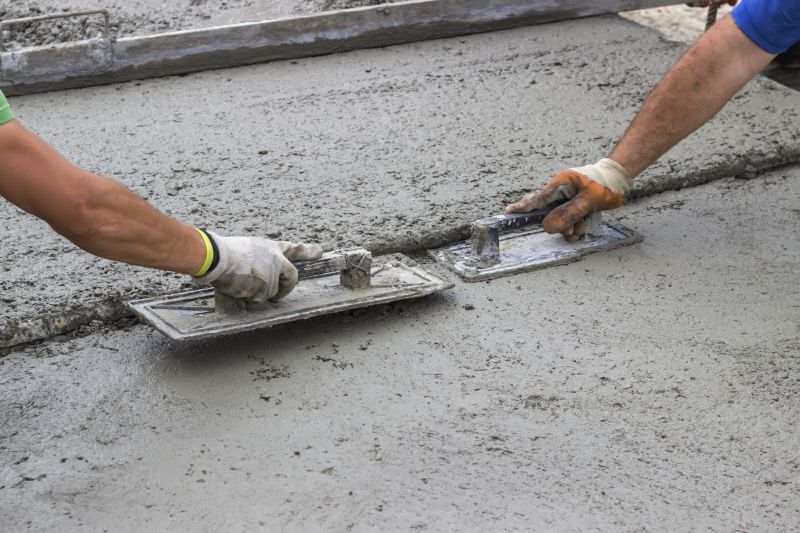
High-end options that actually feel worth it for Concrete Repairs.
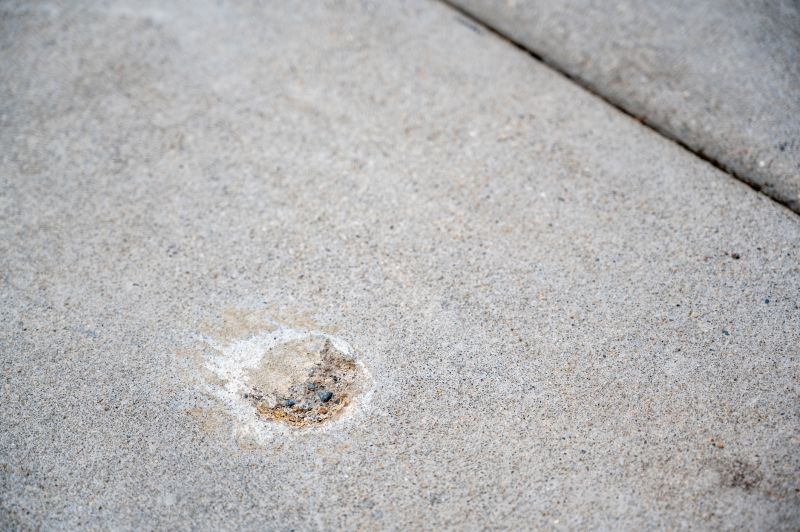
Finishes and colors that play nicely with Concrete Repairs.
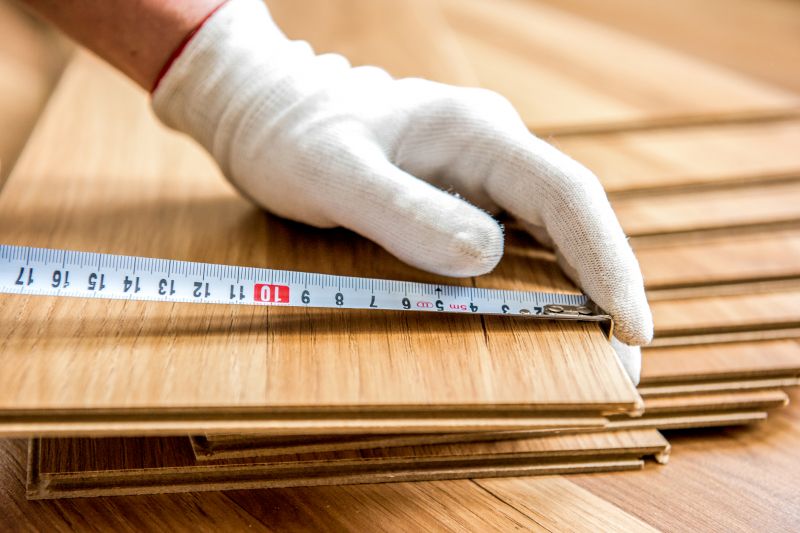
Little measurements that prevent headaches on Concrete Repairs day.
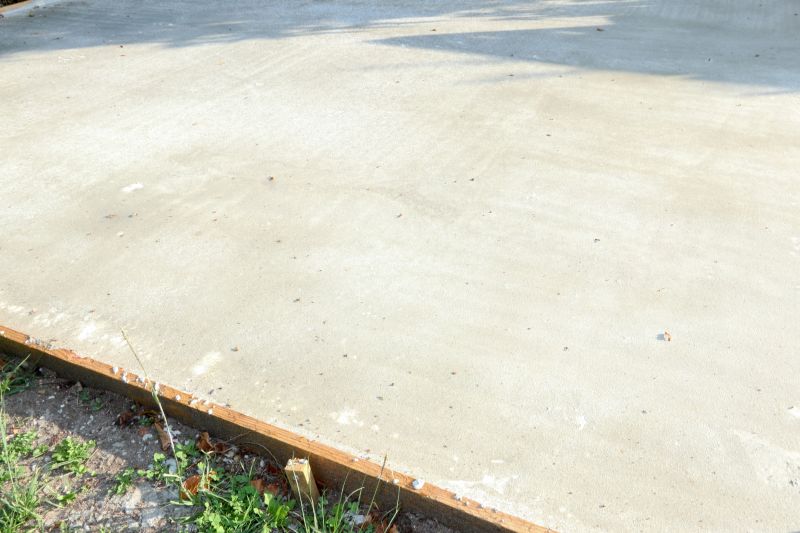
A 60-second routine that keeps Concrete Repairs looking new.
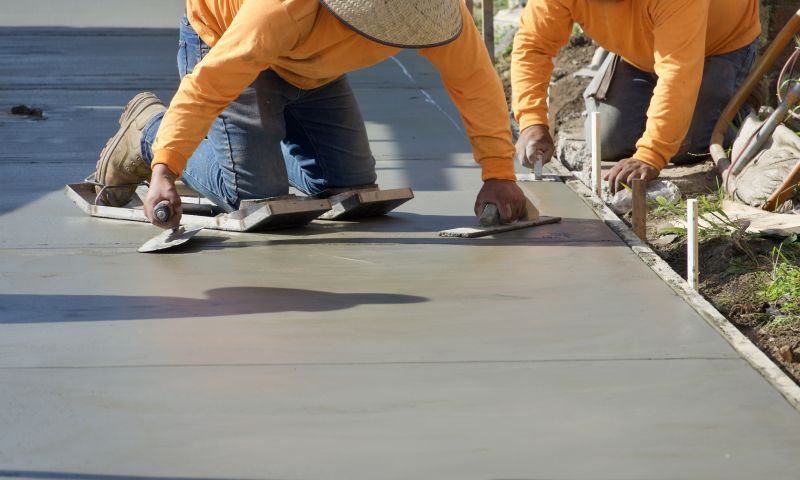
A frequent mistake in Concrete Repairs and how to dodge it.
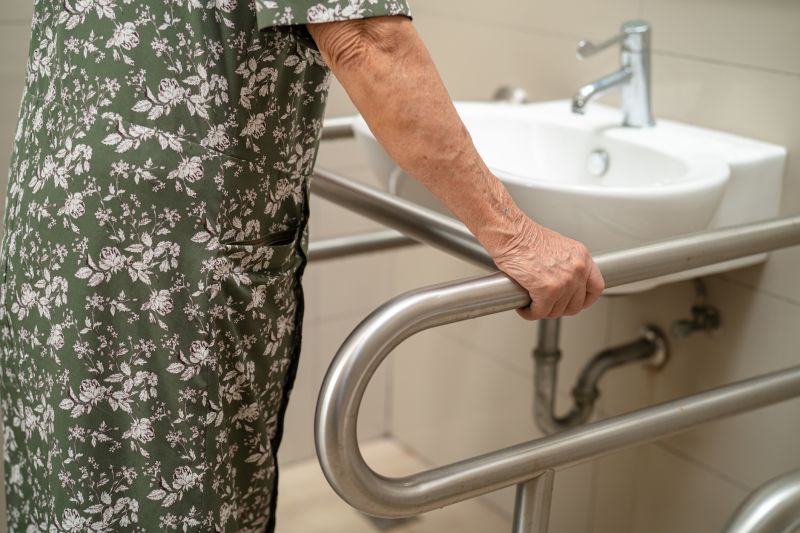
Small tweaks to make Concrete Repairs safer and easier to use.
| Season | Recommended Repair Timing |
|---|---|
| Spring | Ideal for moderate temperatures and low humidity |
| Summer | Suitable with precautions against excessive heat |
| Fall | Optimal for preparing surfaces before winter |
| Winter | Generally not recommended due to freezing temperatures |
| Late Spring | Good for extensive repairs and resurfacing |
| Early Fall | Prepares surfaces for winter and prevents damage |
| Late Fall | Less suitable due to dropping temperatures |
Understanding the best times for concrete repairs can significantly influence the longevity and quality of the work. Proper timing ensures that concrete cures properly, reduces the risk of cracking, and extends the lifespan of the repair. Consulting local weather patterns and planning repairs during favorable seasons can lead to more durable results.
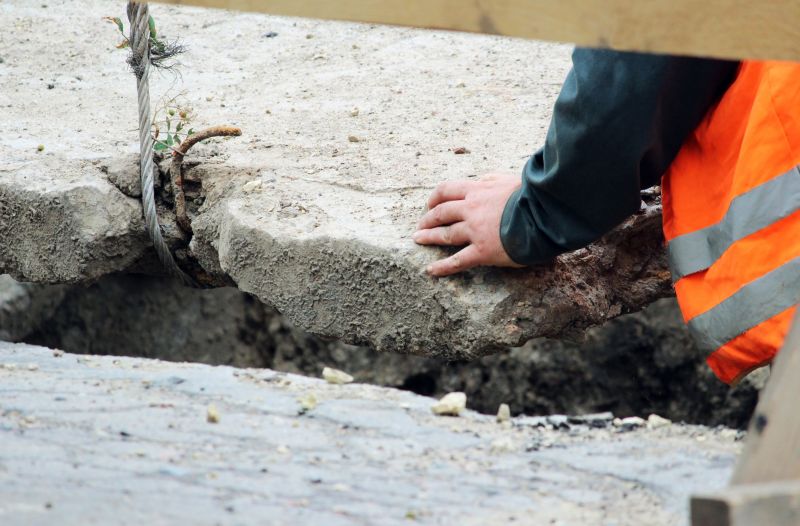
Lower-waste or water-saving choices for Concrete Repairs.
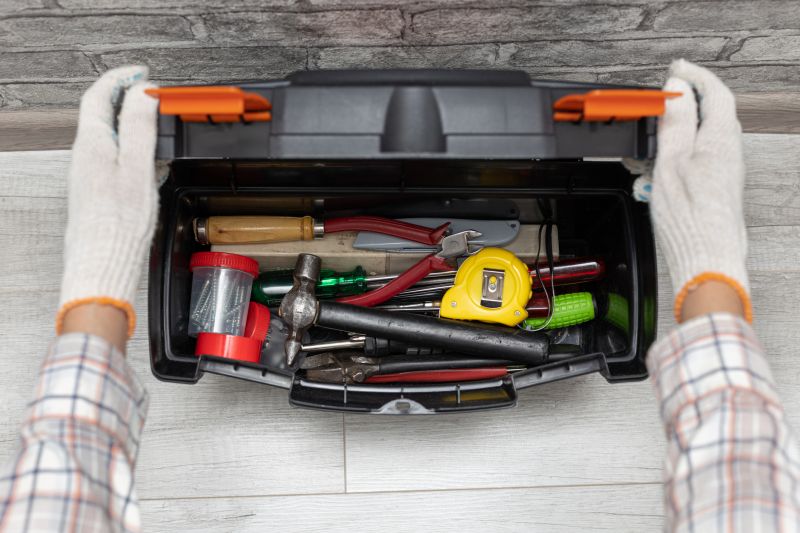
The short, realistic tool list for quality Concrete Repairs.
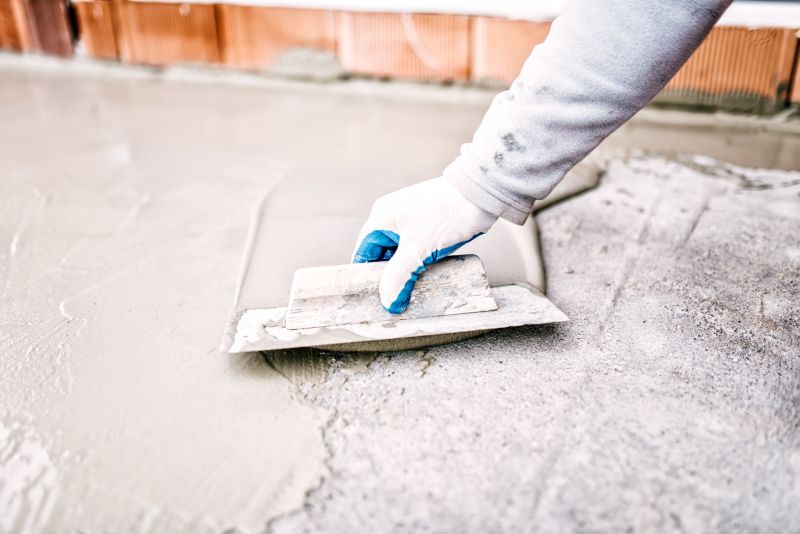
Rough timing from prep to clean-up for Concrete Repairs.
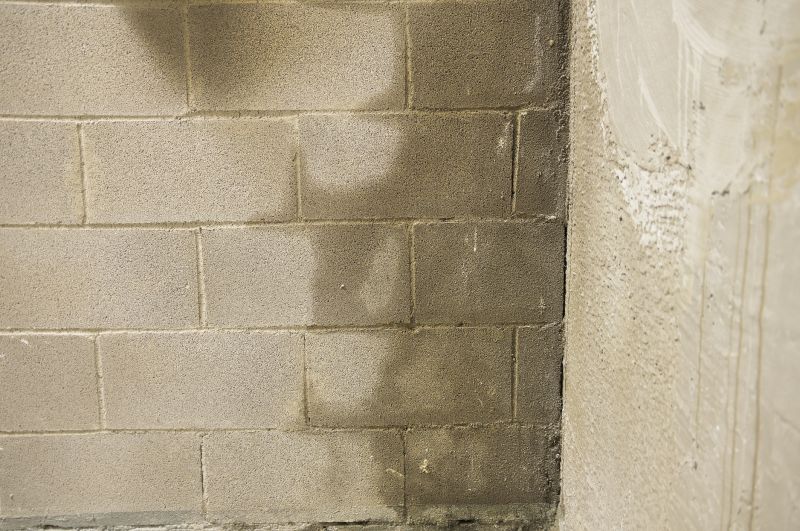
Quick checks and paperwork to keep after Concrete Repairs.
For those considering concrete repairs, timing is crucial for ensuring long-term success. Properly scheduled repairs during suitable weather conditions help prevent issues such as surface cracking, scaling, and uneven curing. Accurate planning and execution can save costs and improve the structural integrity of concrete surfaces.
Interested parties are encouraged to contact for more information on scheduling concrete repairs at optimal times. Filling out the contact form provides an opportunity to receive tailored advice and scheduling options suited to specific needs and local weather conditions.